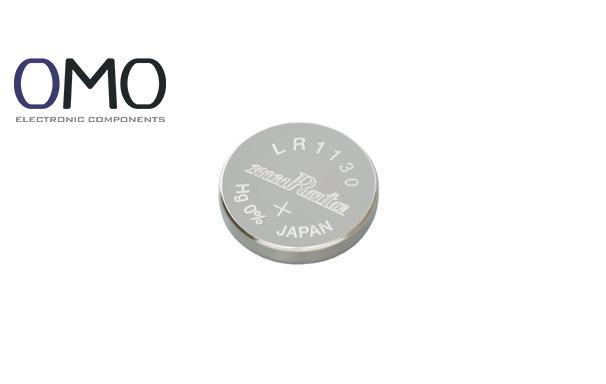
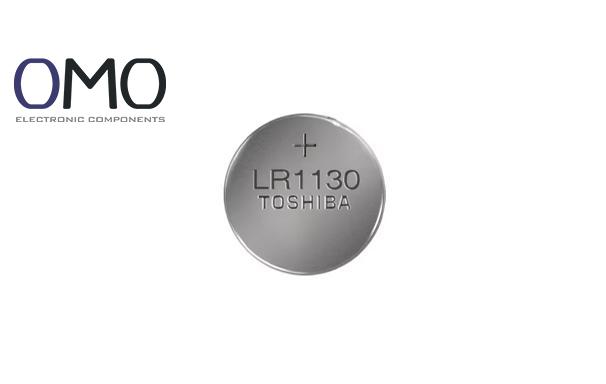
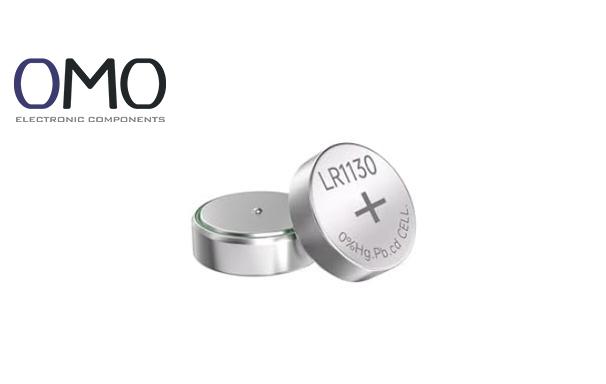
LR1130 is a standard alkaline button battery. It belongs to the primary battery (non-rechargeable) category. It is made for low-power electronic devices. This battery is known for its compact size (diameter: 11.6mm × height: 3.0mm) and stable discharge. According to IEC naming rules, “LR” means alkaline system, “11” is the diameter code, and “30” is the height code.
Other Names
This battery has many names in different systems. This shows it is very common.
ANSI/NEDA Standard: AG10 or 189
JIS Standard: L1130
General Names: G10, LR54, 389 (often on toy packaging)
Naming logic: The “L/LR” means alkaline battery (for example, “SR” means silver oxide). The numbers show the size.
Key Specifications
Parameter
Value
Diameter
11.6 ± 0.2 mm
Height
3.0 ± 0.3 mm
Nominal Voltage
1.5V
Typical Capacity
80–100 mAh
Operating Current
1–10 mA (low load)
Basic Function
The LR1130 gives stable DC power to small devices. It works well in pulse discharge (e.g., when you press a remote control button). It is lightweight (about 1.2g) and small, so it is perfect for devices with little space.
Eco-Friendly and Durable Design
Chemical Material: Zinc–manganese dioxide with alkaline electrolyte, mercury-free (meets RoHS standard).
Temperature Range: Works well between -10°C and 60°C (>70% capacity kept in cold).
Shelf Life: Self-discharge rate is only 2–3% per year. It can last 3–5 years unopened.
Negative Electrode (Anode): Zinc gel releases electrons
Separator: Micro-porous fiber film keeps electrodes apart to prevent short circuit
Casing: Nickel-plated steel sealed by laser welding for airtight protection
Common Fault Prevention
Voltage Drop: If stored for over 2 years, starting voltage may be <1.3V. Buy fresh stock.
Leakage Risk: High heat (>60°C) or reverse charging can cause electrolyte leakage. You may see green crystals in the battery slot. Clean it with alcohol wipes.
Contact Cleaning: If the device responds slowly, gently rub the battery holder metal with sandpaper to remove oxidation.
Applications
Devices That Use LR1130 Often
Precision Devices: Blood glucose meters (use ~0.5mAh/day), digital thermometers
Control Devices: Car keys (peak 15mA when pressed), smart door remotes
Daily Gadgets: Mini calculators, small LED flashlights, electronic toy pets
Battery Life Estimate
Device Type
Daily Use
Estimated Battery Life
TV Remote
10 presses/day
12–18 months
Thermo-Hygrometer
Always on
8–10 months
Light-up Toy
30 min/day
3–5 months
Key Tip:
High temperatures (like inside a car) can reduce life by 30%. Overcurrent (>15mA) will wear out the electrodes faster.
Equivalent and Replacement Guide
Common Replacements
Standard Type
Equivalent Model
IEC
LR1130
ANSI/NEDA
AG10, 189
JIS
L1130
General Models
GP189, V10GA, LR54
Compatibility Warnings
Voltage: You can use LR1130 instead of SR1130 (silver oxide, 1.55V) for a short time. But SR1130 has 30% more capacity, so it lasts longer.
Size Warning: Do not mix with SR44. SR44 is slightly bigger (11.8mm vs. 11.6mm). It can jam the battery slot.
No Memory Effect: You can replace it anytime, no need to use up all the power first
Replacement and Care
4 Steps to Replace:
Turn off the device to protect the circuit
Use plastic tweezers to remove battery; “+” side faces spring (reverse may short the circuit)
Clean battery slot with alcohol wipe
Press new battery in until you hear a “click” sound
Storage and Recycling
3 Storage Rules: Keep in dark, dry (<60% humidity), away from metal
Eco Recycling: Throw into red bin for hazardous waste. One LR1130 can pollute 0.5㎡ of soil
How to Choose the Right LR1130
Parameter Check
Capacity Standard: Choose products with ≥80mAh. Low-quality ones may falsely show 120mAh
Date Check: Look for laser-printed production date within 2 years (e.g., "2027-06" = June 2027)
Brand Levels
Brand Level
Leak Rate
Capacity Accuracy
Use Case
Top Brands
<0.1%
±5%
Medical/Precision Devices
Budget Brands
<0.5%
±10%
Remotes/Toys
Fake Battery Tips
Packaging: Real ones have clear print, fakes have blurred edges
Weight Test: Real LR1130 weighs 1.2–1.3g. If it’s too light, they may have less electrode material
Frequently Asked Questions
Where can i buy lr1130 batteries?
You can find LR1130 batteries for purchase on online shopping platforms, 1688.com (Alibaba), through brand-authorized retailers, or at physical electronics and hardware stores.
What is an lr1130 battery?
Measuring 11.6mm in diameter and 3.1mm thick, the alkaline button cell LR1130 battery is commonly found in compact electronics like calculators.
Are LR1130 and LR44 batteries the same?
No, LR1130 and LR44 batteries are not identical; LR44 batteries are slightly thicker and taller than LR1130s.
How long does a LR1130 battery last?
Depending on usage and environmental factors, an LR1130 battery usually lasts between 6 months and a year.